Restaurant Pest Control in Jacksonville, FL
Keep your kitchen inspection-ready and your dining room pest-free, without slowing down service.
Your call connects you with an independent local pest control provider.
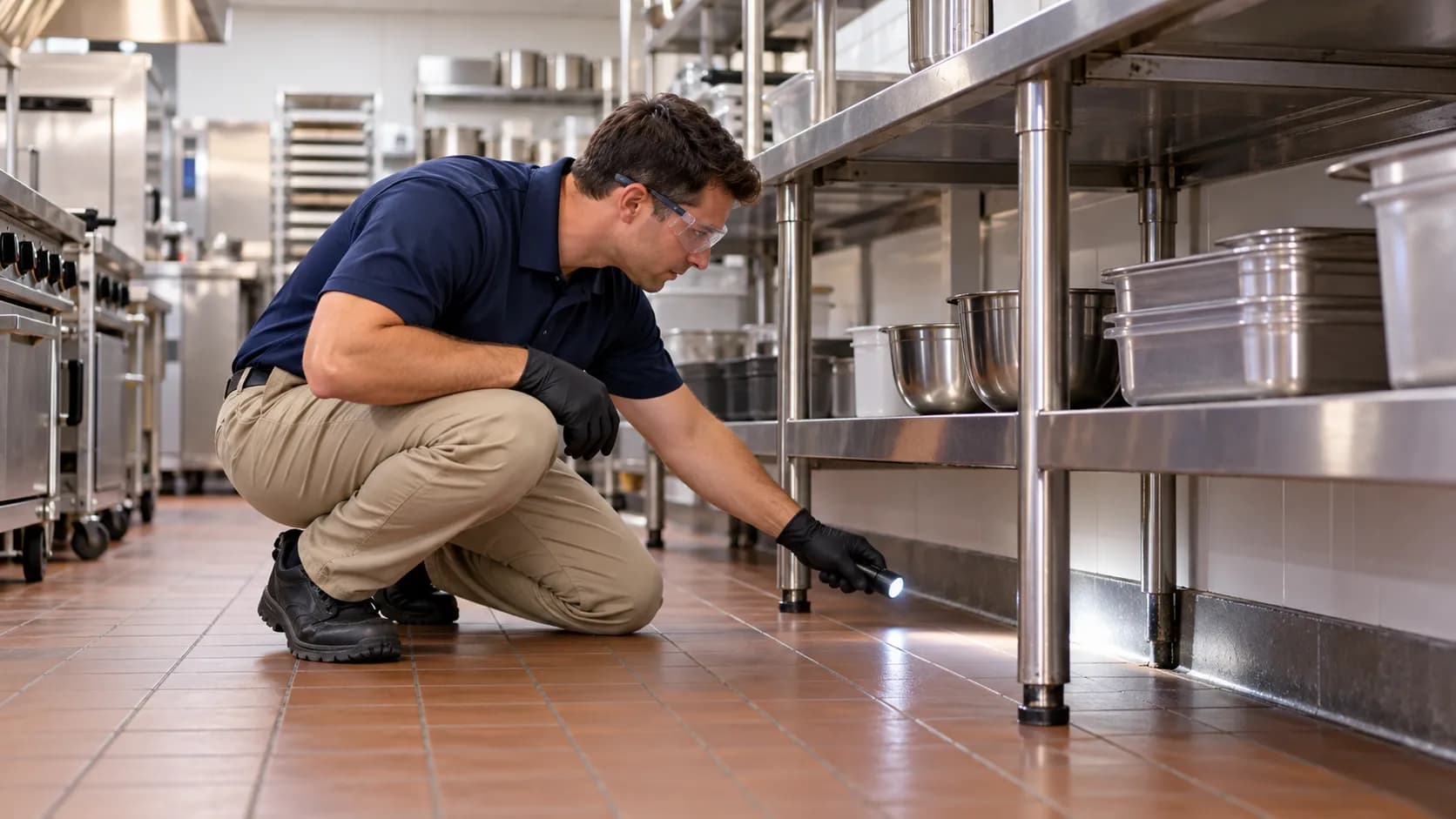
In a restaurant, one roach crossing the dining room floor can undo a hard-earned reputation. Kitchens give pests everything they want: warmth, water, food scraps, and hundreds of hiding spots behind equipment. Add Jacksonville's heat and humidity, and keeping pests out takes steady, careful work.
Local commercial pest control pros help restaurants, cafés, bars, food trucks with commissary kitchens, and other food businesses across Jacksonville stay ahead of problems. A good restaurant program focuses on prevention, is scheduled around your hours, and leaves you with clear records for the health inspector.
Pests That Target Restaurants and Commercial Kitchens
German cockroaches
The most common restaurant pest. They breed fast in warm spots behind ovens, dish machines, and soda lines, and hitch rides in on deliveries.
Roof rats and mice
Drawn by dumpsters, grease, and dry goods. They chew through packaging and slip in through gaps around doors, pipes, and roof vents.
Drain flies and house flies
Floor drains, grease traps, and dumpster areas give flies places to breed. Back doors propped open during a rush let in even more.
Ants and stored-product pests
Ghost ants trail toward sugar and syrup stations, while pantry beetles and moths can turn up in flour, rice, and spices.
Ready for Your Next Health Inspection
Florida restaurants are inspected by the state, and pest activity is one of the things inspectors look for. Signs like droppings, live roaches, or flies near food prep areas can lead to violations or worse.
Commercial providers typically leave a service report after each visit that shows what was inspected, any activity found, what was applied and where, and what the technician recommends. Ask for these reports and keep them with your food safety records so you can show inspectors that pest control is handled on a regular schedule.
- A service report after every visit
- Notes on sanitation or repair issues that attract pests
- Product labels and safety data sheets on request
- Extra visits when activity spikes or before a scheduled audit
Focused on Kitchens, Drains, and Back-of-House
Most restaurant pest problems start where customers never look. A careful technician pays close attention to the areas behind and under cooking lines, dish stations, walk-in coolers, ice machines, bar wells, floor drains, grease traps, and the dumpster pad.
In food areas, technicians rely on targeted methods like gel baits placed in cracks and hinges, insect growth regulators, and sealed rodent stations outside, instead of broad spraying. That protects your food, your equipment, and your staff while still getting to the source.
Service That Fits Around Your Hours
Your dining room should never see a technician with a sprayer during lunch. Many commercial providers can schedule visits before you open, after you close, or on your slowest days, so ask about timing when you call. The technician should work quietly so your staff can keep prepping.
If something urgent comes up, like a rodent sighting before a busy weekend, call to speak with a local pest control pro and work out the least disruptive time for a visit.
How Restaurant Pest Control Service Works
Step 1: Site inspection
The technician walks your kitchen, storage, dining room, and exterior to find activity, entry points, and conditions that attract pests.
Step 2: Written plan
The provider lays out service frequency, treatment methods, and any sanitation or repair recommendations.
Step 3: Scheduled service
Service happens on a regular schedule, usually monthly or more often for busy kitchens, with every visit documented.
Step 4: Track and adjust
Activity is tracked over time, and the plan changes when the seasons, your menu, or your space changes.
Restaurants & Food Businesses Pest Control FAQ
One call · Local pros
Talk to a Local Commercial Pest Control Pro
Call to describe your business and the pest problem. A local provider can explain how a commercial program works and set up a site visit around your hours.
- Talk to a local pest control pro
- Describe the problem and ask your questions
- Set up a visit at a time that works for you