
Rodent Control in Jacksonville, FL
Get rats and mice out of your attic and walls for good, by removing them and sealing the way in.
Your call connects you with an independent local pest control provider.
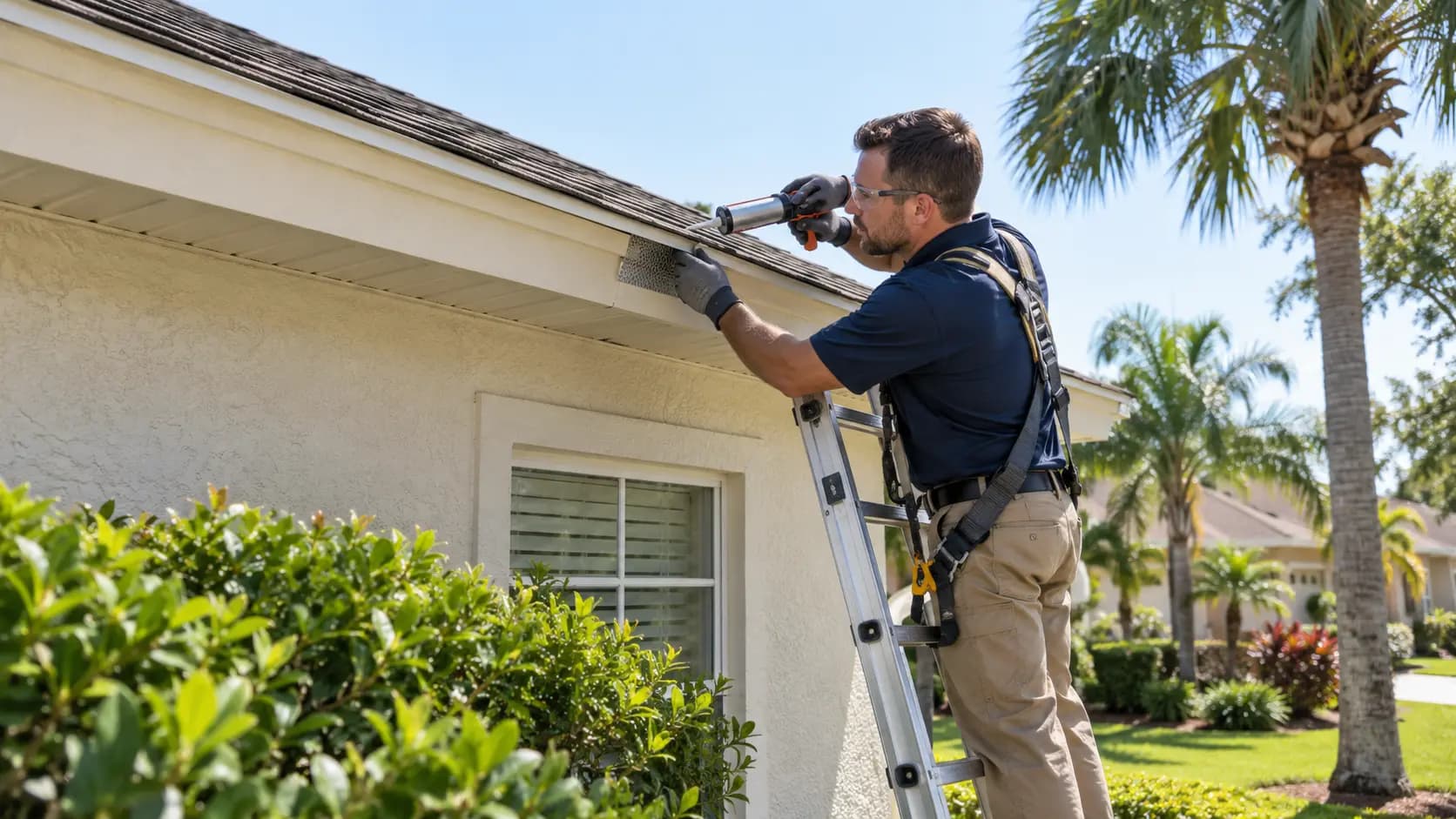
Scratching in the ceiling at 2 a.m. is not something you get used to. Rats and mice chew wiring, ruin attic insulation, and leave droppings wherever they travel.
Effective rodent control fixes the problem at its source. A technician inspects your home to find how rodents are getting in, traps the ones already inside, and then seals the entry points so new ones can't follow. Once the activity stops, cleanup takes care of the mess they left behind. It's a more lasting fix than tossing out poison and hoping for the best, and it keeps rodents from dying somewhere inside your walls.
Updated
Why Rats and Mice Are a Problem in Jacksonville
Roof rats are the most common rodent problem in Northeast Florida. They're excellent climbers that travel along oak limbs, palm fronds, fences, and power lines, then slip into attics through gaps at the roofline. Fruit trees, bird feeders, and dense vines make a yard even more inviting.
Norway rats are heavier and stay closer to the ground. They burrow under slabs, sheds, and woodpiles and often come in through garages and crawl spaces. House mice can squeeze through a gap about the width of a pencil and nest inside walls and cabinets.
Northeast Florida's mild winters let rodents breed most of the year, and cool fall nights push many indoors.
Signs You Have Rats or Mice
Noises at night
Scratching, running, or gnawing sounds in the attic, ceiling, or walls after dark.
Droppings
Dark pellets in the attic, garage, pantry, or under sinks. Rat droppings are larger than mouse droppings.
Gnaw marks
Chewed wires, wood, plastic, or food packaging, often with fresh, light-colored edges.
Grease marks along walls
Dark smudges where rodents brush against beams, pipes, or entry holes over and over.
Damaged attic insulation
Trampled paths, tunnels, or shredded nesting material in the insulation.
Half-eaten fruit in the yard
Hollowed-out citrus or avocados still on the tree are a classic roof rat sign.
Pets acting strange
Dogs or cats staring at or pawing one wall may hear rodents.
How Rodent Control Works
Step 1: Full inspection
The technician checks the roofline, attic, soffits, vents, garage, and foundation to find entry points and activity.
Step 2: Trapping
Traps go in the attic and other active areas, and the technician returns to check and remove them on a set schedule.
Step 3: Exclusion
Gaps and entry points are sealed with durable materials like metal flashing, hardware cloth, and sealant that rodents can't chew through.
Step 4: Sanitation and cleanup
Once activity stops, droppings and nesting material can be removed and affected areas sanitized.
Step 5: Follow-up
A return visit confirms no new activity and that all seals are holding.
Rodent Control Options
Most homes need a combination of methods. Here's how each one fits in.
Trapping inside the home
Traps remove rodents that are already inside, and the catch can be confirmed instead of guessing where they went.
Exclusion and sealing
The most important step for long-term results. Without sealing entry points, new rodents will keep finding the same way in.
Exterior bait stations
Locked, tamper-resistant stations placed outside can reduce rodent numbers around the property before they reach the house.
Why poison-only treatment indoors falls short
Rodents that eat poison often die inside walls or the attic, causing odors and attracting flies. Poison also doesn't fix how they got in.
Is Rodent Control Safe for Kids and Pets?
Rodent control can be planned around your family and pets. Traps inside the home go in places kids and pets can't reach, like the attic, behind appliances, or in enclosed boxes.
If bait is used outside, it goes inside locked, tamper-resistant stations, using only products registered for that purpose, applied according to the label. Mention outdoor pets or nearby wildlife so stations can be placed carefully. Your technician should also explain how to stay safe around droppings until cleanup is done.
How to Keep Rodents Out
- Trim tree limbs and palm fronds back several feet from your roof.
- Pick up fallen fruit and harvest ripe citrus and avocados quickly.
- Store bird seed, pet food, and grass seed in sealed metal or hard plastic containers.
- Keep garbage cans tightly closed and away from the side of the house.
- Close garage doors at night and fix gaps along the bottom seal.
- Move woodpiles and clutter away from the foundation.
Rodent Control for Businesses
Rodents can cause failed inspections and damaged stock. Restaurants, warehouses, and apartment communities often rely on ongoing monitoring and exclusion programs. Learn more about commercial pest control.
Industries covered: Restaurants & Food Businesses, Property Management & Apartments, Warehouses, Offices
Explore commercial pest control →Rodent Control FAQ
See all residential pest control services →
One call · Local pros
Get Help With Rodent Control Today
One call connects you with a local pest control pro who serves your area and can help you figure out the next step.
- Talk to a local pest control pro
- Describe the problem and ask your questions
- Set up a visit at a time that works for you