Eco-Friendly & Pet-Safe Pest Control in Jacksonville, FL
Smarter pest control that fixes the causes first and uses less product, placed only where it's needed.
Your call connects you with an independent local pest control provider.
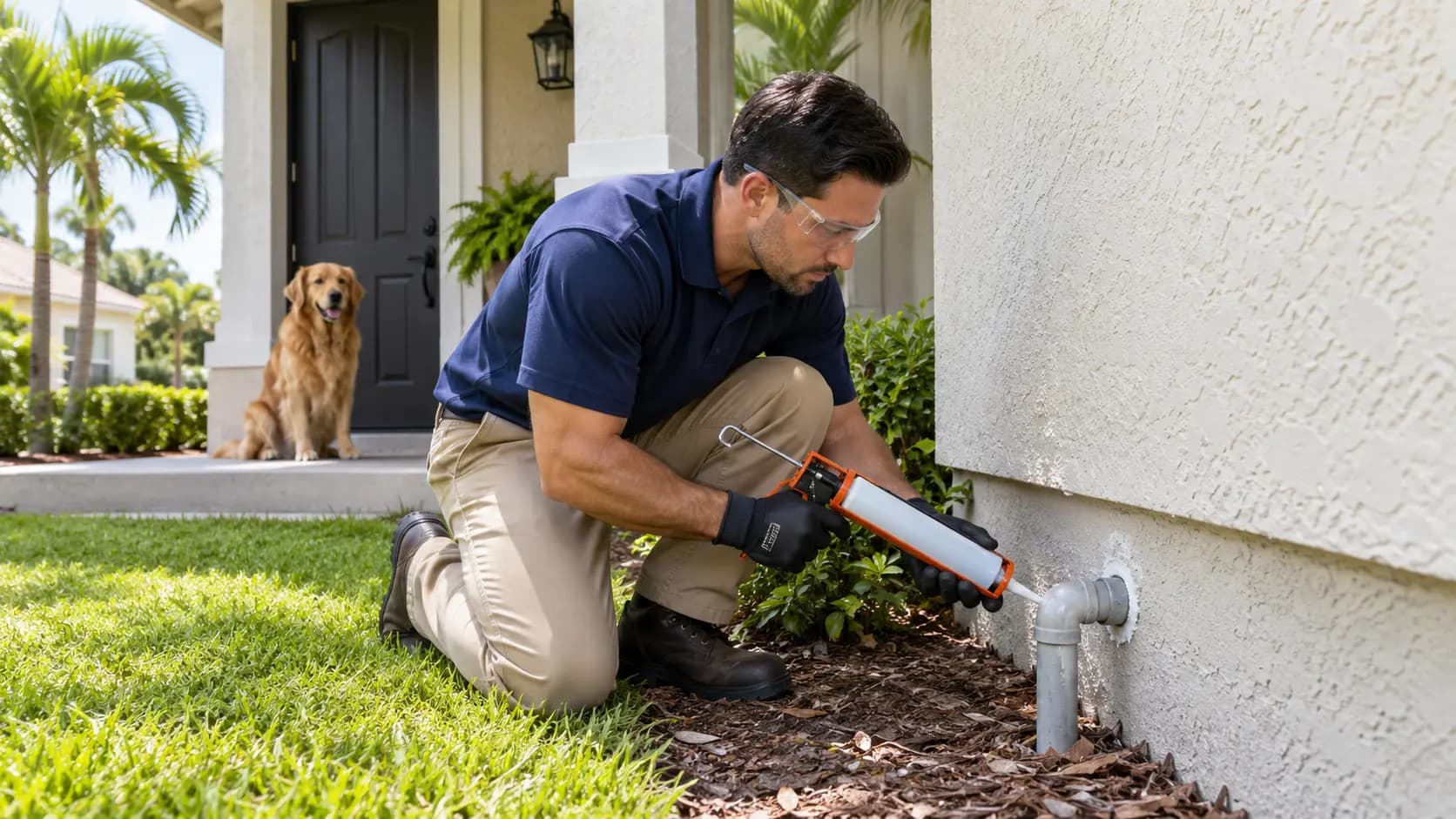
Many Jacksonville families want pests gone without heavy spraying around their kids, pets, and gardens. Eco-friendly pest control is built on Integrated Pest Management (IPM), a careful, step-by-step approach used by pest professionals.
Instead of treating every room on a schedule, an IPM approach starts by finding out which pests you have, why they're there, and how they get in. Then the technician addresses those conditions, seals entry points, and uses targeted, lower-impact treatments only where they'll work. You end up with fewer pests and less product in and around your home. Ask the technician to explain what each treatment involves before it's applied.
Updated
Why IPM Makes Sense in Northeast Florida
In Jacksonville, pests stay active all year. If every problem is handled with routine spraying, the amount of product used around your home adds up over time. IPM cuts that down by focusing on the causes, like moisture, food, and entry points, that keep pests coming back.
Northeast Florida's weather plays a part too. Heavy summer rain can wash surface treatments off patios and walls, so placing baits and treatments in protected cracks and voids often works better. And with so much water nearby, from the St. Johns River to backyard ponds, keeping products where they belong matters.
Is Eco-Friendly Pest Control Right for You?
You have pets
Dogs and cats that spend time on floors and in the yard benefit from treatments placed out of reach.
You have young children
Fewer broad sprays and more targeted placements limit what little hands can touch.
Pests keep coming back
If spraying hasn't solved the problem, fixing the cause usually does more.
You grow food or flowers
Vegetable beds, fruit trees, and pollinator plants call for careful, limited outdoor treatment.
You keep fish, birds, or reptiles
These pets can be more sensitive to some products, so treatment should be planned around them.
Someone at home has sensitivities
Lower-impact options and clear re-entry guidance can help households with health concerns.
How the IPM Process Works
Step 1: Inspect first
The technician looks inside and out for pests, droppings, entry points, moisture, and food sources.
Step 2: Identify the pest
Knowing exactly what you have makes it possible to choose the most precise treatment.
Step 3: Fix the conditions
The technician points out leaks, clutter, and food access, and recommends simple changes.
Step 4: Seal entry points
Exclusion work, like sealing gaps around pipes and doors, keeps pests from getting in.
Step 5: Treat only where needed
Baits, gels, and other targeted products go in cracks, voids, and other protected spots.
Step 6: Monitor and adjust
Follow-up visits and monitoring traps show whether the plan is working, so the technician can change course.
Lower-Impact Treatment Options
No pest control product is completely without risk, and nobody should pretend otherwise. What IPM does is use less product and put it in smarter places. Ask your technician which of these options fit your home.
Baits and gels
Small amounts placed in cracks and bait stations where pests feed. Ants and [cockroaches](/cockroach-control) carry the bait back to their nests.
Insect growth regulators
Products that interrupt a pest's life cycle so young insects can't mature and breed.
Exclusion and sealing
Caulk, door sweeps, and screens physically block pests, with no product needed.
Targeted exterior treatments
Applications limited to entry points and pest hot spots instead of spraying the whole yard.
Is Eco-Friendly Pest Control Safe for Kids and Pets?
It's designed to lower your family's exposure, but no treatment is risk-proof. Every label should still be followed, baits placed where kids and pets can't reach, and you should be told how long to stay out of treated areas.
Before treatment starts, tell your technician about every pet in the home, including fish tanks and birds, plus any health concerns. That helps the technician choose products and placements that fit your household.
Simple Ways to Help Prevent Pests at Home
- Store pantry food and pet food in sealed containers.
- Don't leave pet bowls full overnight.
- Fix dripping faucets and wipe up standing water under sinks.
- Replace worn door sweeps and caulk gaps around pipes and windows.
- Recycle cardboard boxes rather than storing them in the garage.
- Keep mulch and plants a few inches away from your foundation.
Eco-Friendly & Pet-Safe Pest Control for Businesses
IPM fits schools, offices, and restaurants, where people expect careful pest control with clear records. Ask the provider to document inspections, findings, and treatments for every visit. The page on pest control for businesses explains how scheduled programs work.
Eco-Friendly & Pet-Safe Pest Control FAQ
See all residential pest control services →
One call · Local pros
Get Help With Eco-Friendly & Pet-Safe Pest Control Today
One call connects you with a local pest control pro who serves your area and can help you figure out the next step.
- Talk to a local pest control pro
- Describe the problem and ask your questions
- Set up a visit at a time that works for you