Pest Control in Arlington, FL
Call to reach a local pro for termite, rodent, and wildlife problems in Arlington's postwar homes, river lots, and wooded streets near Fort Caroline and Tree Hill.
Your call connects you with an independent local pest control provider.
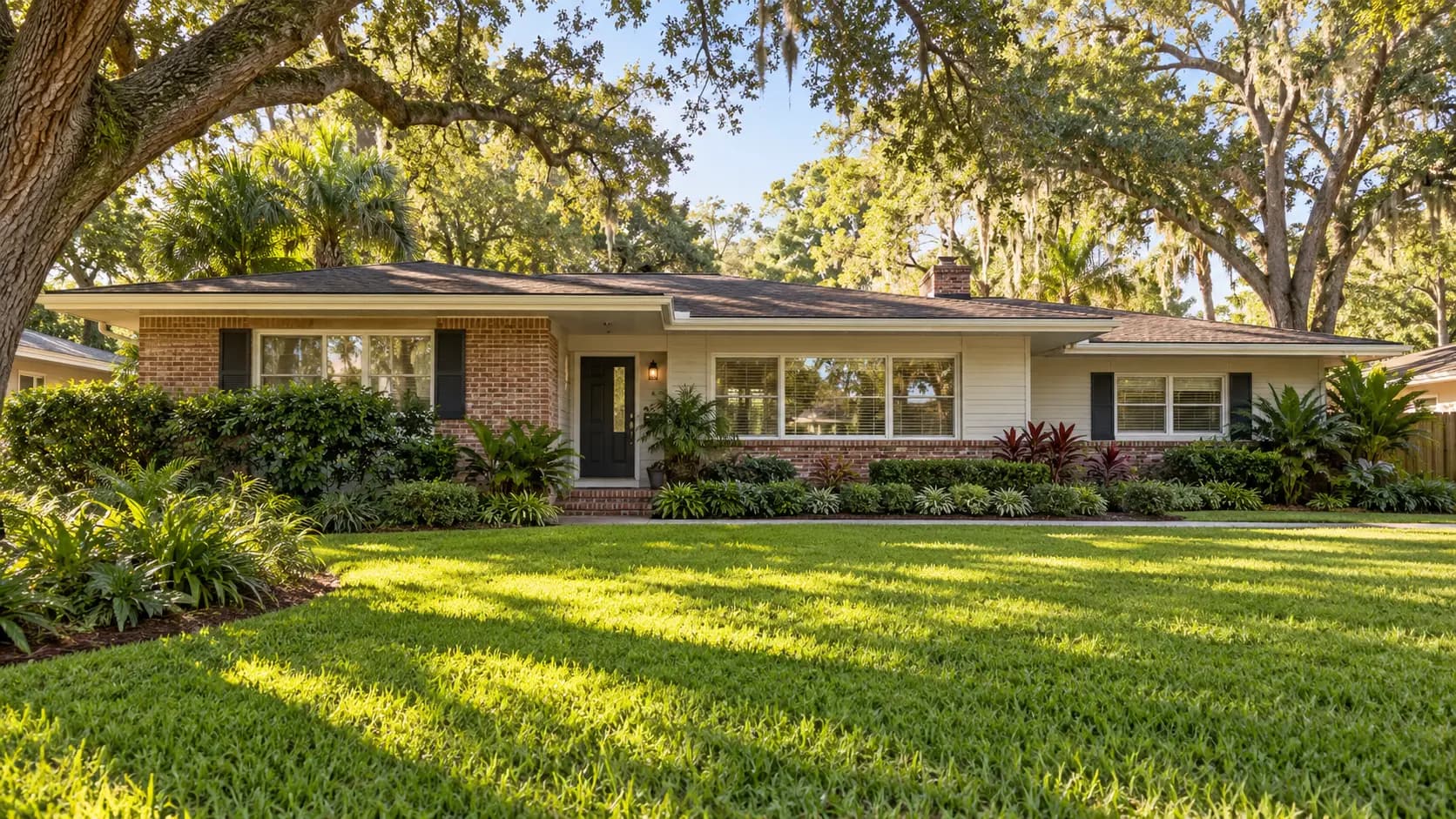
When the Mathews Bridge opened in 1953, Arlington took off. For about two decades it grew faster than any other part of Jacksonville, and many of the homes built during that boom are still standing today. That history shapes almost every pest problem east of the river.
Homes that are now 60 or 70 years old have had a long time for wood to soften and small gaps to open up. Add the St. Johns River, the Arlington River, and green spaces like Tree Hill Nature Preserve and the Jacksonville Arboretum, and you get neighborhoods where termites, rats, raccoons, and squirrels all have easy access. A good pest plan in Arlington is simple: protect the structure first, then keep wildlife and everyday bugs on the outside where they belong. One call connects you with a local pest control pro who works in Arlington.
What Bugs Arlington Homeowners Most
Subterranean termites
Many Arlington houses date to the 1950s and 1960s. Decades of Florida humidity can wear down wood framing, sill plates, and trim, giving termites from the sandy soil plenty to work with.
Raccoons, opossums, and squirrels
Wooded lots near Fort Caroline, the Timucuan Preserve, and Tree Hill put wildlife right next door. Older roofs and loose soffits make attics an easy target.
Roof rats
Tall trees planted when these neighborhoods were new now tower over the rooftops, and rats use the branches to reach vents and gaps in aging rooflines.
Mosquitoes
Shoreline along the St. Johns and Arlington rivers, plus creeks, marsh edges, and shady backyards, keeps mosquito numbers high from spring into fall.
Postwar Homes and Wooded Lots
Arlington is known for its mid-century homes, including some notable modern designs by local architects. Many houses here are single-story ranches on concrete slabs with wood roof framing and trim. Over time, small slab cracks, gaps around plumbing, and soft fascia boards become entry points. A yearly termite inspection is one of the smartest habits an Arlington homeowner can have.
Neighborhoods such as Lake Lucina and Woodland Acres grew up in the 1940s through the 1960s, so their trees are now huge. That shade is wonderful in July, but it also keeps roofs damp and gives animals a bridge to the attic. During an inspection, a technician checks rooflines, vents, and chimneys and can suggest which limbs to trim.
Closer to the river and the Intracoastal, you'll find docks, seawalls, and wetter soil. Those spots need extra attention for moisture, mosquitoes, and termites working up from the ground.
Popular Pest Control Services in Arlington
Termite Control
Arlington's many 1950s and 1960s homes are at the age where termite damage often shows up.
Learn moreWildlife Removal
Raccoons and squirrels from nearby preserves regularly move into Arlington attics.
Learn moreRodent Control
Roof rats use the area's tall, mature trees to reach older rooflines.
Learn moreTermite Inspection & WDO Reports
Older Arlington homes sell often, and lenders usually ask for a WDO report during the sale.
Learn moreMosquito Control
River frontage and shady, creek-side yards keep mosquitoes active for months.
Learn more
Neighborhoods & ZIP Codes Covered in Arlington
Neighborhoods
- Old Arlington
- Arlington Heights
- Lake Lucina
- Woodland Acres
- Sandalwood
- Fort Caroline area
ZIP codes
- 32211
- 32225
- 32277
Live nearby but don't see your neighborhood? Call and share your ZIP code to find out whether a local provider serves your address.
Pest Control in Arlington: Common Questions
One call · Local pros
Get Pest Control Help in Arlington
One call connects you with a local pest control pro who serves your area and can help you figure out the next step.
- Talk to a local pest control pro
- Describe the problem and ask your questions
- Set up a visit at a time that works for you