
Moisture Control & Crawl Space Services in Jacksonville, FL
A drier crawl space means fewer pests, healthier wood, and one less reason for termites to choose your home.
Your call connects you with an independent local pest control provider.
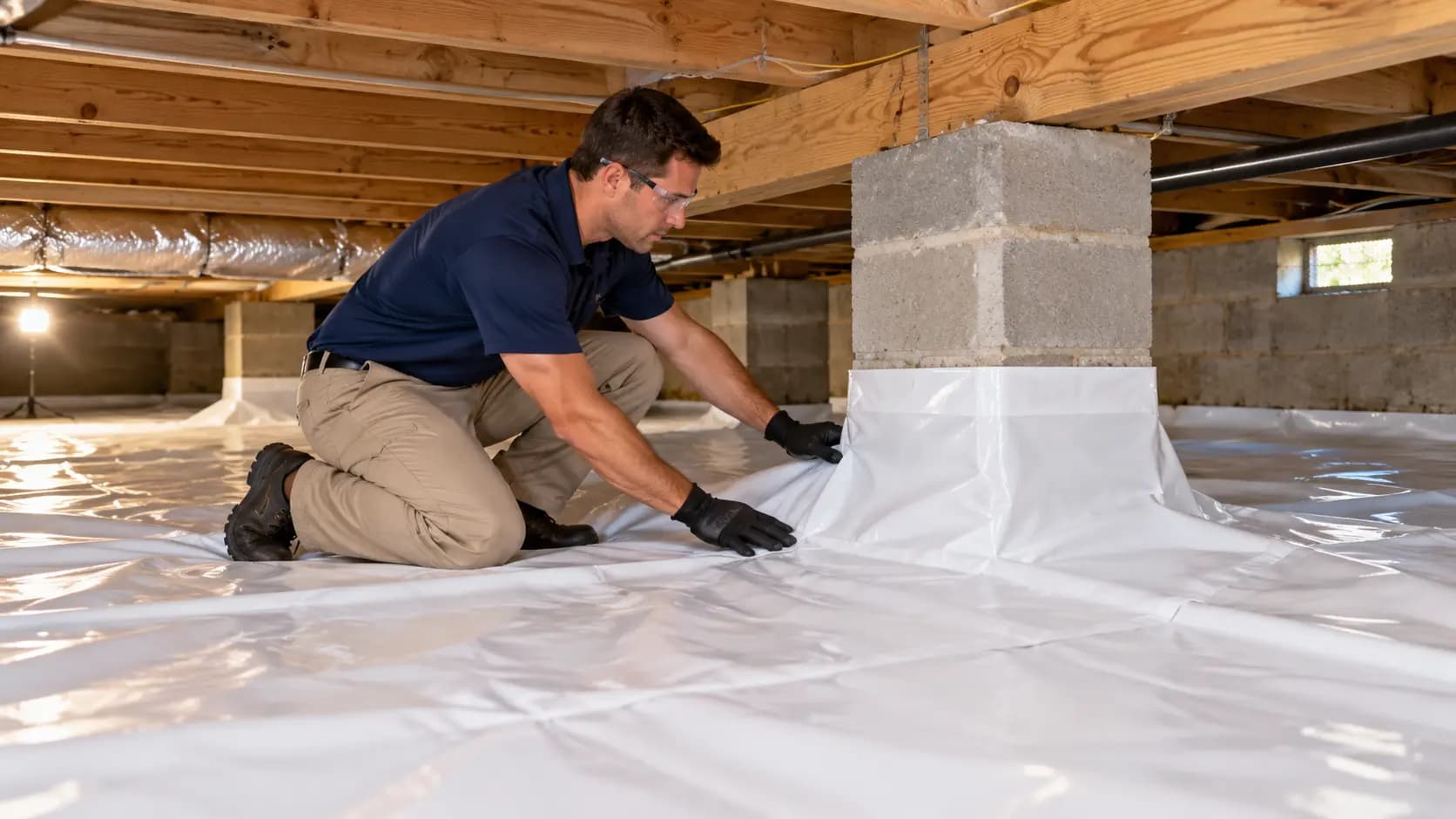
Damp air and wet soil under your house do more than cause a musty smell. Moisture softens wood, feeds mold, and draws in termites, palmetto bugs, and silverfish looking for water.
Moisture control looks at your home the way pests do. A local pest control pro checks your crawl space for standing water, wet soil, damp wood, and poor airflow, then finds out where the water is coming from. From there, the technician recommends practical fixes, such as installing a vapor barrier, improving ventilation, or pointing you to leaks that need repair. The goal is simple: a drier home that's harder for pests to live in.
Updated
Why Moisture Is a Big Deal in Jacksonville Homes
Northeast Florida is humid most of the year, and summer brings frequent heavy afternoon storms. Many older Jacksonville homes sit on raised foundations with crawl spaces, where damp soil and still air can keep wood wet for months.
That moisture matters because so many local pests depend on it. Subterranean termites need moisture to survive and are drawn to damp wood near the soil. American cockroaches, the big ones locals call palmetto bugs, shelter in humid crawl spaces. Silverfish thrive in damp, dark corners.
Wet wood can also develop decay fungi, which shows up on real estate inspections and weakens framing over time. Cutting moisture is one of the most useful things you can do alongside termite protection.
Signs of a Moisture Problem
Musty smell indoors
A damp, earthy odor that's strongest near floors or closets often starts below the house.
Standing water or wet soil
Puddles in the crawl space after rain, or soil that stays dark and damp.
Mold or mildew on wood
White, green, or black growth on floor joists, beams, or the underside of the subfloor.
Soft or sagging floors
Floors that feel spongy or uneven can mean moisture is damaging the wood below.
Lots of roaches or silverfish
Frequent sightings in bathrooms and lower rooms suggest a humid spot nearby.
Condensation on ducts and pipes
Dripping AC ducts or sweating pipes in the crawl space keep the area wet.
How Moisture Control Works
Step 1: Crawl space inspection
The technician checks the soil, wood, vents, ducts, and plumbing, and takes moisture readings on framing.
Step 2: Find the water source
Gutters, grading, AC drain lines, and plumbing are checked to learn where the moisture comes from.
Step 3: Recommend the right fixes
The technician explains what was found and which fixes make sense for your crawl space.
Step 4: Install and correct
Debris is cleared, a vapor barrier is installed, and ventilation is adjusted as needed.
Step 5: Check back
A follow-up visit confirms the space is staying drier, especially after a rainy stretch.
Moisture Control Options
Every crawl space is different. These are the most common ways to dry one out.
Vapor barriers
Heavy plastic sheeting laid over the soil keeps ground moisture from rising into the crawl space and the wood above it.
Ventilation improvements
Clearing blocked vents or adjusting airflow. In Northeast Florida's climate, more outside air isn't always better, since summer air can be wetter than the air under your home.
Crawl space sealing and dehumidifiers
For persistent problems, closing off vents and controlling humidity with a dehumidifier can keep the space consistently dry. Ask the provider whether this is part of their service.
Is Moisture Control Safe for Kids and Pets?
Yes. Most of this work is physical: laying a vapor barrier, clearing debris, and fixing vents and gaps. It usually involves no pesticides at all. If the technician also treats for pests during the visit, products should be used as the label directs, and you'll be told when treated areas are safe to use again.
Keep the crawl space access door closed so kids and pets can't wander in. If the technician finds heavy mold growth, you may need a mold specialist.
How to Keep Moisture Away From Your Home
- Clean gutters and extend downspouts so rainwater lands well away from the foundation.
- Make sure soil slopes away from the house, not toward it.
- Check that your AC drain line empties away from the foundation, not under the home.
- Look under sinks and around the water heater for slow drips.
- Run bathroom fans during and after showers to cut indoor humidity.
- Peek into the crawl space after heavy storms for standing water.
Moisture Control & Crawl Space Services FAQ
See all residential pest control services →
One call · Local pros
Get Help With Moisture Control & Crawl Space Services Today
One call connects you with a local pest control pro who serves your area and can help you figure out the next step.
- Talk to a local pest control pro
- Describe the problem and ask your questions
- Set up a visit at a time that works for you