Do You Need a WDO Inspection When Buying a Home in Florida?
Buying a home in Florida? Here's what a WDO inspection covers, who usually orders it, how to read the report, and what to do if termites turn up.
5 min readUpdated
In this article
You've found the house, your offer was accepted, and now your agent is handing you a list of inspections to schedule. One of them is a WDO inspection. If you're new to buying in Florida, you may be wondering what that is and whether you really need it.
In most cases, the answer is yes. Termites and other wood-destroying organisms are common in Florida's warm, humid climate, and the damage they cause often hides behind walls and under floors. Here's what a WDO inspection is, what the report tells you, and how it fits into your purchase.
What Is a WDO Inspection?
WDO stands for wood-destroying organism. During a WDO inspection, an inspector from a pest control company that performs WDO inspections looks over the home for these pests and any damage they have caused. In Florida, inspectors record their findings on an official state form, the Wood-Destroying Organisms Inspection Report (FDACS-13645), from the Florida Department of Agriculture and Consumer Services.
Because everyone uses the same form, the report reads the same way no matter which pest control company does the inspection. That makes it easy for your agent, lender, and the seller to understand what was found.
What the inspection looks for
The report covers more than just termites. A Florida WDO inspection looks for:
- Subterranean termites, which live in the soil and build mud tubes to reach wood.
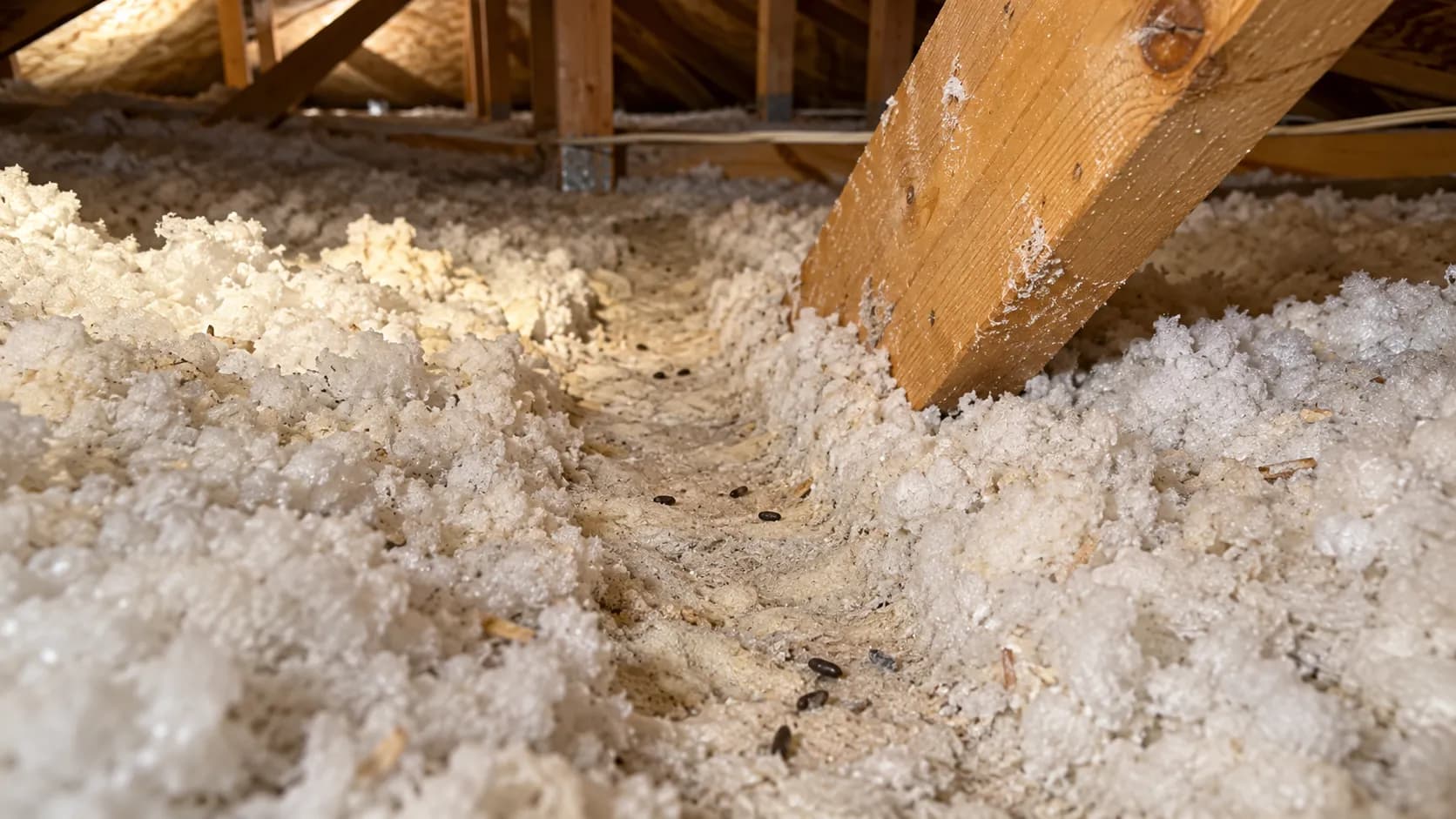
- Drywood termites, which live inside dry wood and leave behind small, hard pellets.
- Wood-decay fungi, the rot that softens and weakens wood that stays damp.
- Wood-boring beetles, such as powderpost beetles, which leave tiny exit holes and fine powder.
Who Orders It, and Is It Required?
The buyer usually orders the WDO inspection during the inspection period in the purchase contract. That timing matters. If something turns up, you still have room to ask questions, negotiate, or walk away under the terms of your contract.
Many lenders require a WDO report before closing, depending on the type of loan. Even if your lender doesn't, it's a smart step. A cash buyer has just as much at stake if a hidden termite problem is waiting behind the drywall.
Your real estate agent can tell you what your contract and loan call for. If you're not sure, ask early so the inspection doesn't get squeezed in at the last minute.
WDO Inspection vs. General Home Inspection
A general home inspection and a WDO inspection are two different things, and one doesn't replace the other.
- General home inspection: looks at the roof, plumbing, electrical, HVAC, appliances, and overall condition of the house. A home inspector may point out possible pest damage, but that isn't the focus.
- WDO inspection: done by a pest control inspector who focuses only on wood-destroying organisms and records the results on the state WDO form.
- Why you want both: a home inspector might note soft wood near a window. The WDO inspector can tell you whether that's termites, rot, or beetles, and whether it's active.
What a WDO Inspection Can and Can't See
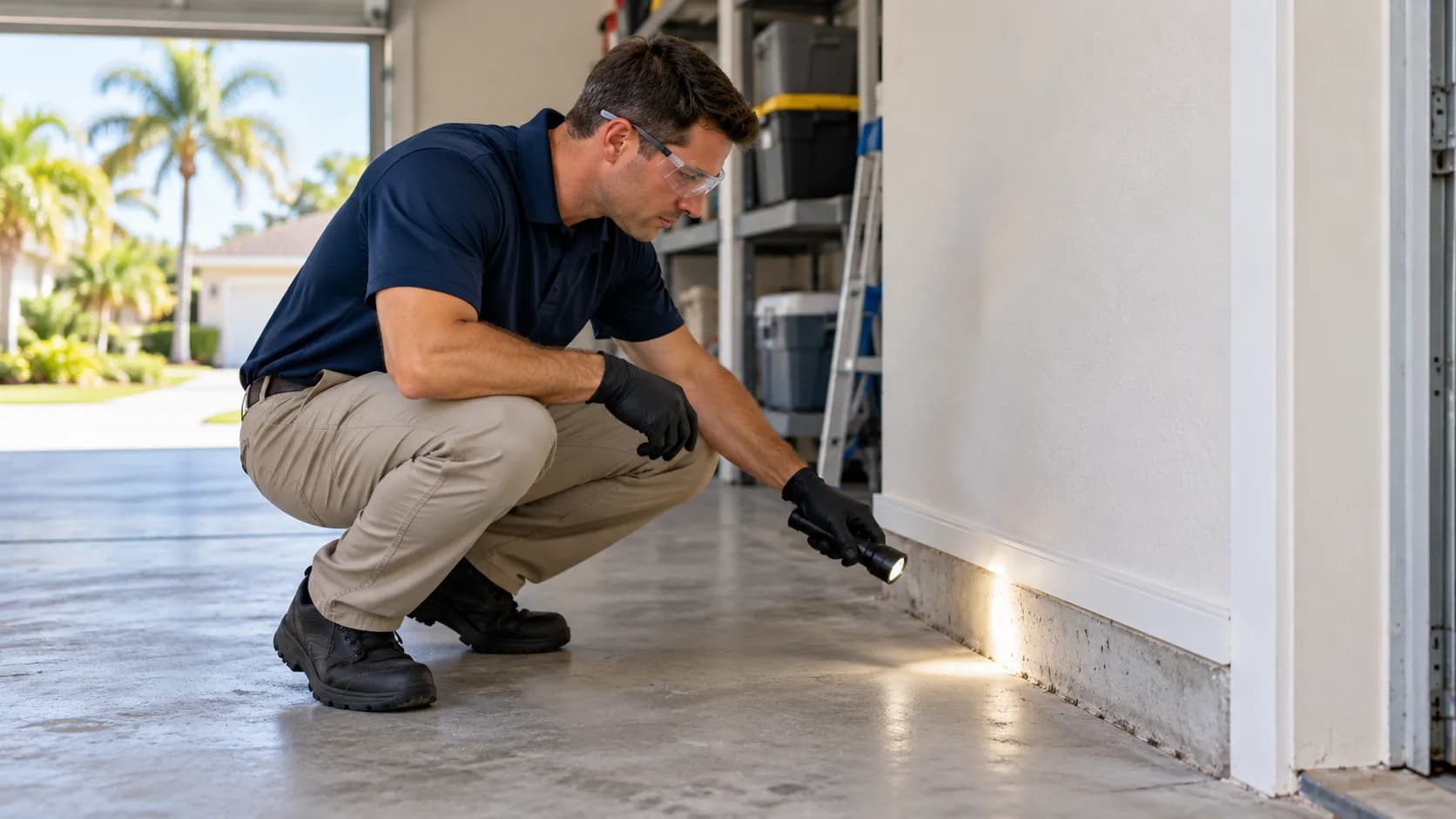
A WDO inspection covers the visible and accessible areas of the home. The inspector checks the exterior, the foundation, the garage, the interior rooms, plus any attic or crawl space they can get into without risk.
The inspection is non-invasive, so nothing gets opened up, lifted, or taken apart. Areas blocked by stored boxes, finished walls, thick insulation, or dense landscaping may not be fully visible. The report lists these areas so you know what couldn't be checked.
That means a WDO report is a snapshot of what could be seen on inspection day, not proof that the home has no pests anywhere. Clearing access to the attic hatch, garage walls, and under sinks before the visit helps the inspector see as much as possible.
How to Read Your WDO Report
The report sorts findings into a few main categories. Here's what each one generally means for you as a buyer.
No visible signs of WDOs
The inspector didn't see evidence of termites, decay fungi, or wood-boring beetles in the areas they could access. This is the result most buyers hope for, keeping in mind the limitations above.
Live wood-destroying organisms
Active pests were found, such as live termites in mud tubes or fresh signs of drywood termites. The report will note the type and location. This usually calls for treatment before or soon after closing.
Evidence of past activity
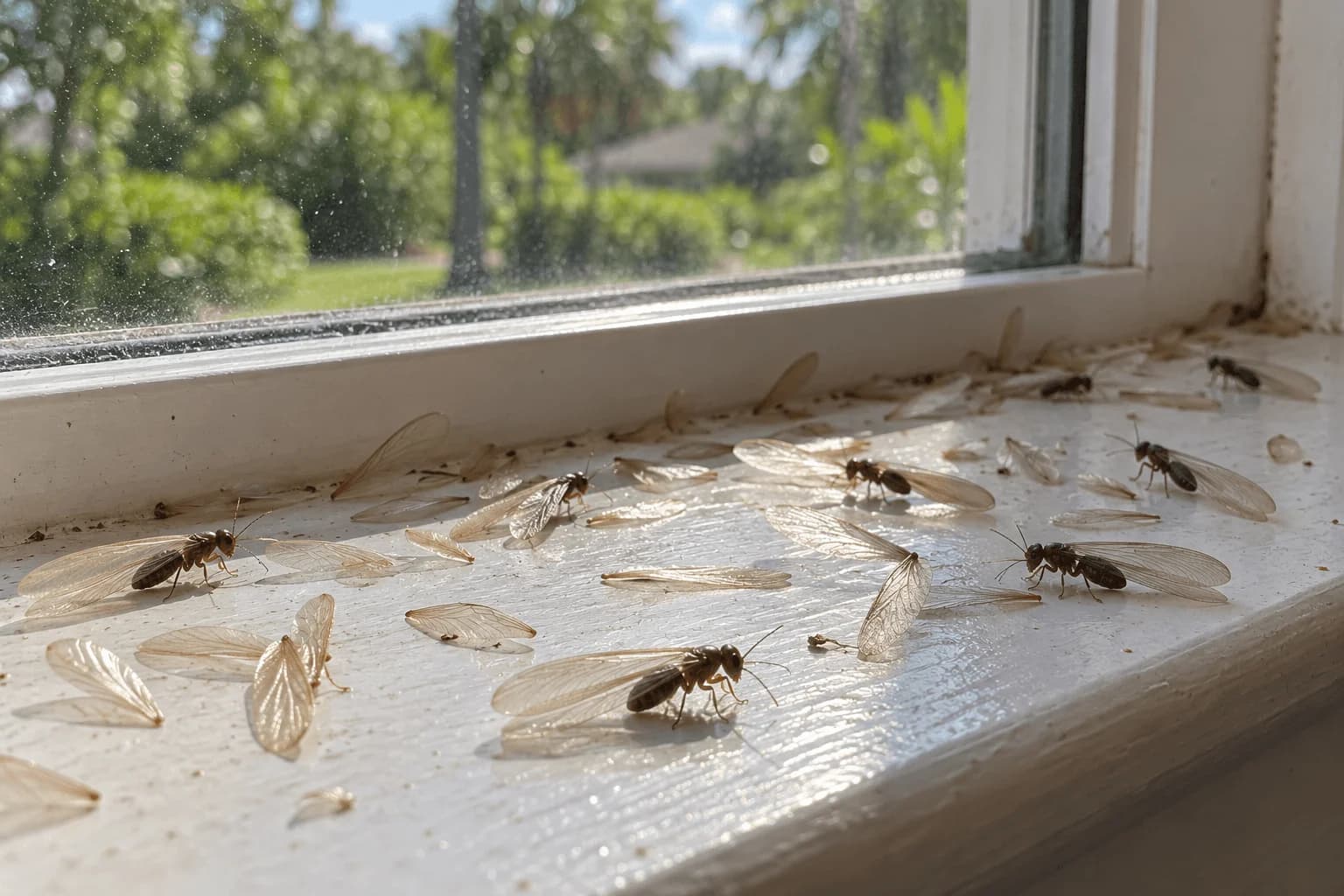
The inspector saw signs that pests were there at some point, like old mud tubes, shed wings, or exit holes, but no live activity. It's worth asking whether the home was treated and whether any protection plan is still active.
Visible damage
The report notes damaged wood and where it is. A WDO inspector is not a structural engineer, so if the damage looks significant, you may want a contractor to check how far it goes.
Signs of previous treatment
Drill holes in the slab or garage floor, bait stations around the house, or a treatment sticker in the garage or electrical panel can show the home was treated before. Ask the seller for treatment records and any termite protection plan paperwork, and find out if the plan can transfer to you.
What to Do If Termites Are Found
Finding termites doesn't have to end the deal. Termites are common in Florida, and plenty of buyers close on homes that needed treatment. What matters is handling it the right way.
- Talk to your agent first. They'll know what your contract allows and how to approach the seller.
- Get a treatment plan. A pest control company can recommend the right treatment for the type of termite found.
- Negotiate. Buyers often ask the seller to handle treatment or make repairs before closing.
- Check the damage. If wood looks weakened, have a qualified contractor assess repairs before you close.
- Plan for protection. Ask about an ongoing termite plan so the problem doesn't come back after you move in.
Scheduling Your WDO Inspection
Book your inspection as soon as your contract is signed, since inspection periods go by quickly. Mention your closing date when you call so the visit can be planned around it.
Most inspections take about an hour or two, depending on the size of the home and whether there's a crawl space. Ask when the written report will be ready, and ask the inspector to go over the main findings before leaving.
Call to be connected with a local pest control pro who performs WDO and termite inspections for home buyers in Northeast Florida. With your permission, the report can usually be sent to your agent and lender. If treatment is needed, the provider can explain your termite control options. You can also see the neighborhoods and towns in the service area before you call.